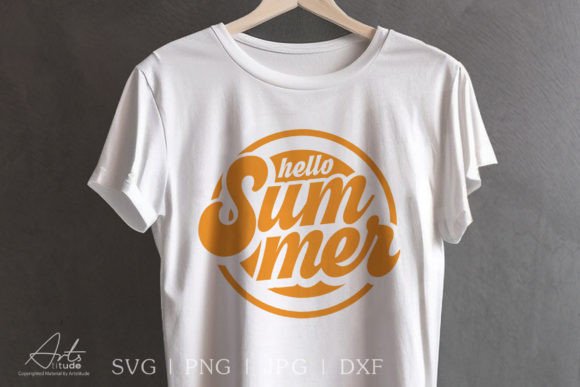
Beach T-shirt Design, Summer Sublimation: A Practical Guide to Avoiding Common Pitfalls
There is a specific kind of magic that happens when you combine the vibrant energy of summer with the versatility of digital design. Beach T-shirt Design, Summer Sublimation isn't just about printing a picture on fabric; it's about capturing the essence of sun-drenched days and turning them into tangible products that people love to wear or display. Whether you are a seasoned entrepreneur looking to expand your product line or a hobbyist eager to create personalized gifts for family, understanding the nuances of this process is the difference between a professional result and a project that ends up in the trash.
Many creators jump straight into downloading files without pausing to consider the technical requirements or the end-use application. This haste often leads to disappointing outcomes where colors look washed out, images appear pixelated, or the final product fails to meet customer expectations. By taking a moment to understand what goes into a high-quality sublimation file, you can ensure that your efforts translate into beautiful, durable, and profitable items.
Understanding the Scope of Your Files
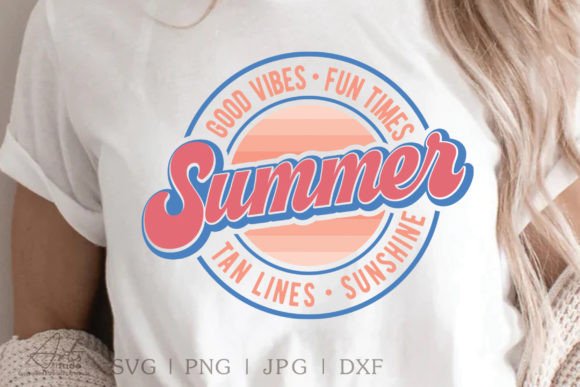
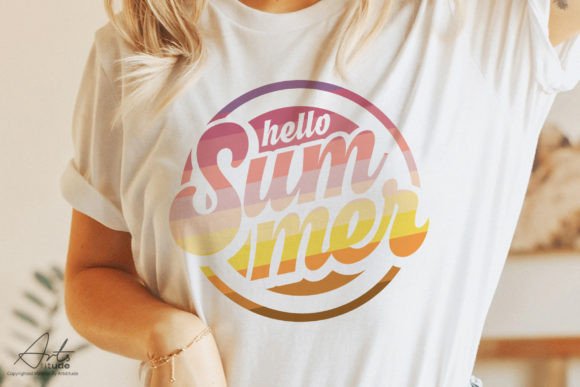
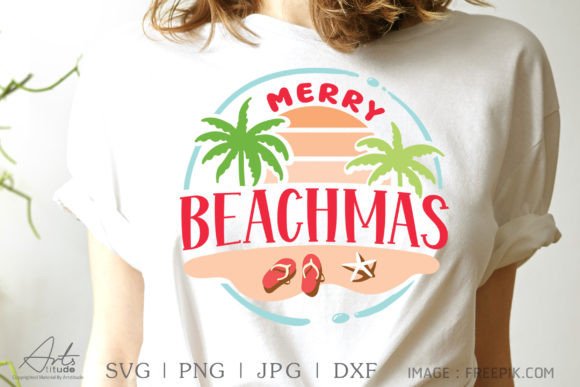
When you acquire a Beach T-shirt Design, Summer Sublimation package, it is easy to focus solely on the graphic itself. However, the true value lies in the versatility these files offer. High-quality assets are designed to be more than just a print for a shirt. They are adaptable resources intended for a wide array of applications including mugs, stickers, invitations, stationery, magnets, party supplies, logo designs, business cards, website designs, artwork, accessories, jewelry, clothing, mirrors, and much more.
The flexibility of these files means you can use a single purchase to launch an entire brand identity or a seasonal collection. For instance, a beach-themed illustration can serve as the centerpiece for a t-shirt, but the same vector or raster data can be scaled down for a magnet or expanded for a large sign. This efficiency is crucial for small business owners and freelancers who need to maximize their return on investment without spending hours creating unique graphics from scratch.
Why Transparency Matters
One of the most critical aspects of any sublimation file is the background. If you are using software like Cricut Design Space or Silhouette Studio, you will quickly discover that a solid white background can ruin your design transfer. This is why the inclusion of 1 PNG file with a Transparent Background at 300 dpi is non-negotiable for professional results.
A transparent background allows the design to blend seamlessly onto whatever surface you choose. Without it, you might find yourself with a boxy white rectangle surrounding your beach scene on a dark-colored mug or a t-shirt, which looks unprofessional and cheapens the perceived value of your product. Always verify that your file has transparency before you begin cutting or printing.
Common Mistakes That Undermine Quality
Even with excellent source files, the final output depends heavily on how you handle the preparation and execution phases. Many beginners make the mistake of assuming that "high resolution" is enough, overlooking the importance of color profiles and material compatibility.
- Ignoring Color Profiles: Sublimation ink behaves differently on paper versus polyester fabric. If you do not adjust your monitor settings or use the correct color profiles, the vibrant blues and oranges of your beach design may appear dull or shifted once printed. Always test a small sample before committing to a full run.
- Misjudging Material Composition: Sublimation only works effectively on polymer-coated surfaces or fabrics with a high percentage of polyester. Trying to sublimate a Beach T-shirt Design, Summer Sublimation file onto 100% cotton or a ceramic mug without a proper coating will result in the image washing away or never adhering at all. Check the material specifications carefully.
- Overlooking DPI Requirements: While 300 dpi is the standard for print, stretching a low-resolution image to fit a large banner or mirror will inevitably lead to pixelation. Ensure the dimensions of your design match the size of the item you are printing on.
The Cost of Poor Preparation
These mistakes are not just minor inconveniences; they directly impact your bottom line. Wasted materials, failed prints, and dissatisfied customers can quickly erode the profits of a new venture. For educators or bloggers creating party supplies or educational aids, a poor-quality print can damage your reputation for reliability. In the world of handmade goods, presentation is everything. A blurred logo on a business card or a fuzzy image on a sticker suggests a lack of attention to detail that clients will notice immediately.
Maximizing Your Equipment Potential
To get the best results from your Beach T-shirt Design, Summer Sublimation files, you need to leverage your tools correctly. Machines like the Cricut or Silhouette are powerful allies, but they require precise setup to handle sublimation transfers effectively.
When preparing your cut files, remember that sublimation is a heat-transfer process, not a vinyl cut-and-apply process (unless you are using specialty sublimation vinyl). Ensure your software settings align with the type of transfer paper you are using. If you are creating signage or large prints, check that your machine's cutting mat can accommodate the width of your paper without warping the design.
For those creating custom jewelry or accessories, precision is key. The 300 dpi resolution ensures that even tiny details in a beach scene remain crisp. If you are scaling the image down for a piece of jewelry, zoom in closely within your editing software to check for jagged edges. It is better to catch a flaw now than to have a batch of defective earrings ready for sale.
Evaluating Before You Buy or Print
Before you finalize a purchase or start a large production run, take a moment to evaluate the file against your specific needs. Ask yourself the following questions:
- Is the background truly transparent? Open the file in your design software and toggle the visibility of layers to ensure there are no hidden white boxes.
- Does the resolution hold up at my desired size? If you plan to print a large sign, verify that the pixel dimensions are sufficient to prevent blurriness.
- Are the colors vibrant enough for my target audience? Compare the digital proof against your screen calibration to ensure the summer vibes come through correctly.
- Is the file compatible with my workflow? Ensure the format (PNG) works seamlessly with your Cricut or Silhouette software without requiring extensive conversion.
By addressing these points proactively, you avoid the frustration of re-doing work and ensure that every item you produce meets the highest standards. Whether you are designing invitations for a summer wedding, creating merchandise for a local business, or making unique gifts for friends, the quality of your input determines the quality of your output.
Conclusion: Building Success Through Attention to Detail
The journey from a digital file to a physical product is filled with opportunities for creativity and growth. By focusing on the practicalities of file preparation, understanding the limitations of your equipment, and avoiding common pitfalls, you can harness the full potential of Beach T-shirt Design, Summer Sublimation. Remember, the goal is not just to print an image, but to create a memorable experience for the person receiving your product. With the right approach, your designs will stand out, your efficiency will improve, and your satisfaction with the creative process will soar.