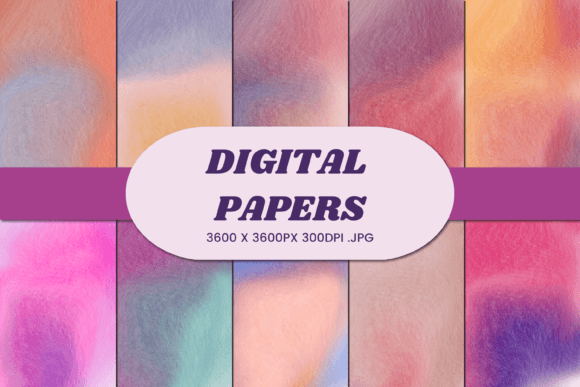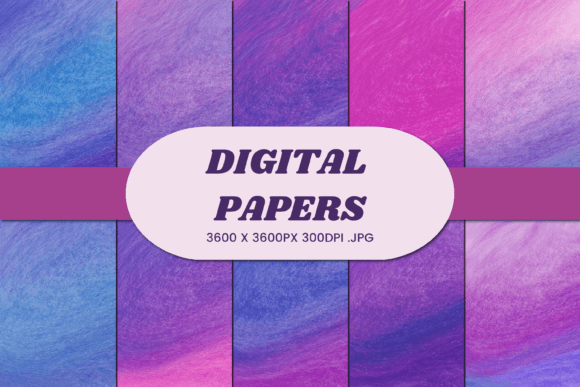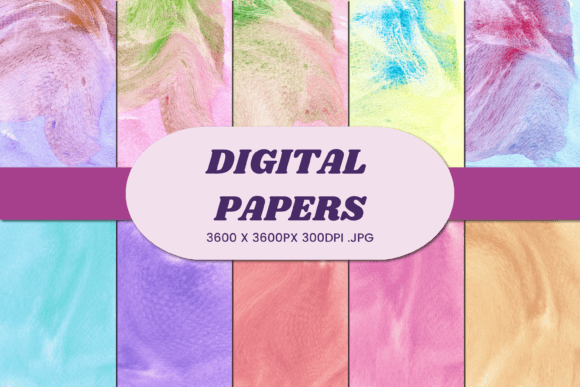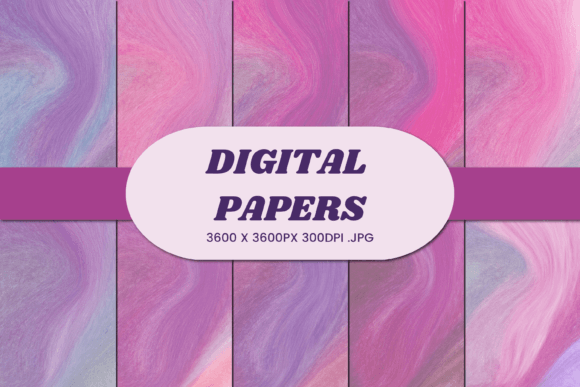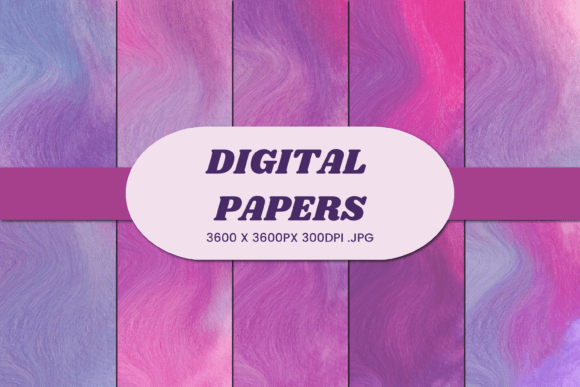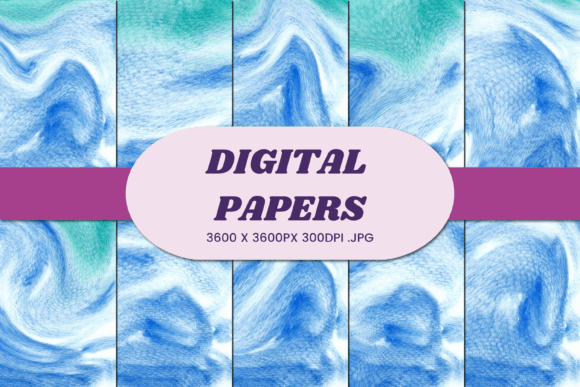
Abstract Watercolor 17 Digital Paper
In the rapidly evolving landscape of digital design and print-on-demand entrepreneurship, the distinction between a good product and a great one often lies in the details. Specifically, it lies in the texture, depth, and emotional resonance of the visual elements used. This is where high-quality assets like Abstract Watercolor 17 Digital Paper become indispensable tools for creators, marketers, and business owners. It is not merely a background image; it is a versatile digital asset designed to elevate brand identity across multiple mediums, from physical merchandise to digital marketing materials.
The modern consumer has developed a sophisticated eye for aesthetics. They can instantly detect low-resolution graphics, flat vector designs that lack character, or generic stock imagery that feels disconnected from the brand’s voice. Abstract watercolor textures offer a solution to this fatigue by introducing organic movement, subtle color gradients, and a hand-crafted feel into digital workflows. Whether you are designing custom T-shirts, creating elegant wedding invitations, or wrapping 3D tumblers, the right texture can transform a standard template into a premium product.
The Evolution of Digital Textures in Modern Design
Digital design has come a long way from the early days of pixel-perfect geometric shapes and rigid grids. Today, there is a significant market preference for designs that mimic traditional art forms while leveraging the efficiency of digital production. This hybrid approach—often referred to as "digital craft"—allows businesses to scale their creative output without losing the human touch. Abstract watercolor patterns sit at the intersection of these two worlds.
Historically, achieving a watercolor effect required skilled artists painting on paper, scanning the results, and cleaning up the scans. This process was time-consuming and difficult to replicate consistently. With the advent of high-resolution digital papers, creators can now access complex, layered textures that simulate the bleed of pigment on paper, the grain of the canvas, and the softness of diluted ink. Abstract Watercolor 17 Digital Paper exemplifies this evolution. It provides a ready-to-use foundation that captures the essence of traditional media but offers the flexibility and consistency required for modern commercial applications.
This shift is driven by several factors. First, the rise of e-commerce and social media has increased the demand for visually engaging content. Brands need to stand out in crowded feeds and online marketplaces. Second, the growth of the print-on-demand industry means that designers are creating thousands of unique products daily. They need assets that are not only beautiful but also technically robust enough to withstand various printing processes, including sublimation and direct-to-garment printing.
Technical Specifications and Workflow Integration
For professionals, the technical quality of a digital asset is just as important as its aesthetic appeal. A beautiful image that fails to print correctly is useless. This is why the specifications of Abstract Watercolor 17 Digital Paper are critical to its utility. The package includes 10 JPG files, each sized at 3600×3600 pixels. This dimension translates to a perfect square format, which is highly compatible with most design software and layout requirements.
More importantly, these files are rendered at 300 DPI (dots per inch) at a 12x12 inch resolution. In the world of professional printing, 300 DPI is the gold standard for sharpness and clarity. At lower resolutions, images appear pixelated or blurry when printed, especially on larger surfaces. By providing high-resolution files, this digital paper ensures that whether you are printing a small business card or a large pillow cover, the watercolor texture remains crisp and detailed. The JPG format is widely supported, making it easy to import into popular design platforms like Adobe Photoshop, Illustrator, Canva, or Affinity Designer.
The inclusion of ten distinct variations within a single pack allows for significant workflow efficiency. Instead of searching for individual textures for every project, designers have a curated collection to choose from. This variety supports A/B testing in marketing campaigns, allows for diverse branding across different product lines, and provides backup options if a particular texture does not blend well with specific typography or logos.
Practical Applications Across Industries
The versatility of Abstract Watercolor 17 Digital Paper makes it suitable for a wide array of industries and use cases. Its abstract nature means it does not compete for attention with foreground elements like text or logos; instead, it enhances them. Here is how different user groups can leverage this asset:
- E-commerce and Print-on-Demand Sellers: For entrepreneurs selling on platforms like Etsy, Redbubble, or Amazon Merch, product photography and mockups are crucial. Using this digital paper as a background for product renders adds a layer of sophistication. It works exceptionally well for T-shirts, where the texture can complement graphic prints, and for mugs and phone cases, where the wrap-around design benefits from seamless or repeating patterns.
- Event Planners and Stationery Designers: Weddings, birthdays, and corporate events require elegant stationery. This digital paper is ideal for creating wedding cards, invitations, and business cards. The soft, fluid lines of the watercolor effect convey warmth and celebration, setting the tone before the guest even opens the envelope. It can also be used for scrapbooks and craft projects, adding a professional finish to handmade items.
- Interior Decor and Home Goods: As remote work and home living continue to influence lifestyle choices, there is a growing demand for personalized home decor. Pillows, blankets, and wallpaper benefit greatly from textured backgrounds. When applied to fabric, the high-resolution data ensures that the colors remain vibrant and the edges do not blur, maintaining the integrity of the design during the manufacturing process.
- Digital Marketing and Social Media: Content creators need to produce a high volume of visuals quickly. Using Abstract Watercolor 17 Digital Paper as a base for social media posts, blog headers, or email newsletters can break up monotony. It serves as an excellent background or texture overlay that adds depth to flat text blocks. For logo design, it can provide a unique backdrop that makes a brand mark pop.
- Product Packaging: In retail, packaging is the first point of contact with the customer. High-quality textures signal quality. Using this digital paper for product packaging labels or boxes can differentiate a product on the shelf. It is particularly effective for artisanal goods, cosmetics, or gourmet foods, where the aesthetic needs to reflect natural or premium qualities.
Specialized Uses: Sublimation and 3D Wraps
One of the most technical yet rewarding applications of this digital paper is in sublimation printing. Sublimation involves transferring dye onto materials like polyester, ceramics, or metal using heat. The process requires high-resolution, full-color designs because the ink permeates the material. Abstract Watercolor 17 Digital Paper is perfectly suited for this due to its 300 DPI resolution and rich color palette.
Specifically, it shines in 3D sublimation tumbler wraps and 3D mug wraps. These products require designs that can stretch and curve around cylindrical surfaces without distortion. The abstract nature of the watercolor pattern helps mask any potential stretching artifacts, creating a seamless look. For businesses specializing in promotional merchandise, offering customizable tumblers with unique watercolor textures can be a strong selling point. The ability to offer bespoke designs using this digital paper allows small businesses to compete with larger brands by providing personalized experiences.
Strategic Considerations for Creators
While the asset itself is powerful, its success depends on how it is integrated into the broader design strategy. Creatives should consider the following best practices:
- Contrast and Legibility: Watercolor textures can be busy. When placing text or logos over Abstract Watercolor 17 Digital Paper, ensure sufficient contrast. Use solid-colored text boxes, drop shadows, or outline effects to maintain readability. The goal is to let the texture enhance the message, not obscure it.
- Color Harmony: The abstract nature of the watercolor means it likely contains a range of hues. Choose foreground colors that complement the dominant tones in the texture. Analogous colors create a harmonious, calming effect, while complementary colors create dynamic contrast.
- File Management: Since the package includes 10 JPG files, organize them logically. Name them descriptively based on their color profiles (e.g., "Watercolor_Blue_Warm.jpg") to speed up your search process during busy production cycles.
- Legal and Licensing Awareness: Always review the license agreement associated with the digital paper. Most digital assets are intended for personal use or limited commercial use. If you plan to sell products featuring this texture, ensure you have the appropriate commercial rights. Some licenses allow unlimited end-product sales, while others may restrict the number of units or require attribution.
Conclusion
The demand for authentic, high-quality visual content is not slowing down. As technology advances, the barrier to entry for creating professional-grade designs continues to lower, but the expectation for quality rises accordingly. Abstract Watercolor 17 Digital Paper addresses this challenge by providing a premium, versatile, and technically sound resource for a wide range of creative endeavors.
Whether you are a seasoned graphic designer looking to streamline your workflow, an entrepreneur launching a new line of merchandise, or a hobbyist crafting personalized gifts, this digital paper offers the flexibility and beauty needed to succeed. Its high resolution, varied formats, and broad applicability make it a valuable addition to any creative toolkit. By leveraging such assets effectively, creators can produce work that resonates with audiences, builds brand trust, and stands out in a competitive marketplace. The key is to use these tools not just as decorations, but as strategic components of a cohesive design narrative.