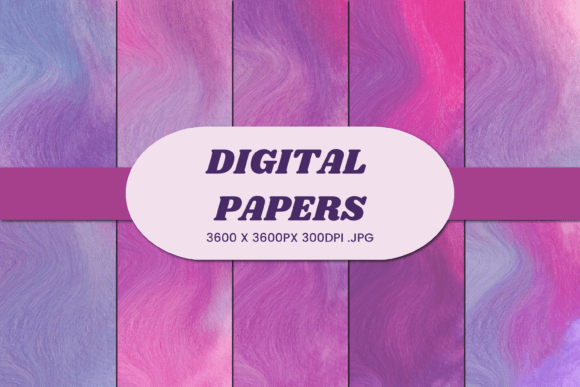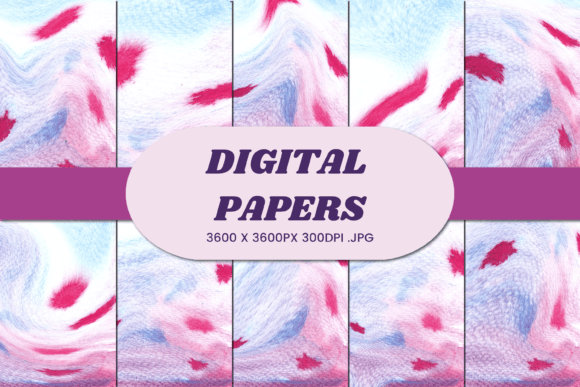
Abstract Watercolor 35 Digital Paper
When you are looking for a versatile design asset to elevate your brand or personal projects, the search often leads to digital papers that promise both aesthetic appeal and practical utility. Abstract Watercolor 35 Digital Paper is one such resource designed to bridge the gap between artistic expression and commercial application. It is not merely a decorative background; it is a functional tool intended to support a wide array of creative endeavors, from physical merchandise to digital marketing materials.
Understanding what this file actually offers—and more importantly, how to use it correctly—is crucial. Many creators download high-resolution assets without fully grasping the technical specifications or the limitations of their intended print methods. This article breaks down the realities of using Abstract Watercolor 35 Digital Paper, highlighting common pitfalls and providing actionable advice to ensure your final product looks professional rather than amateurish.
What Is Abstract Watercolor 35 Digital Paper?
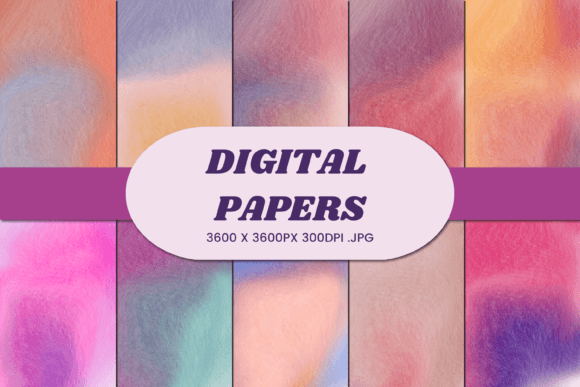
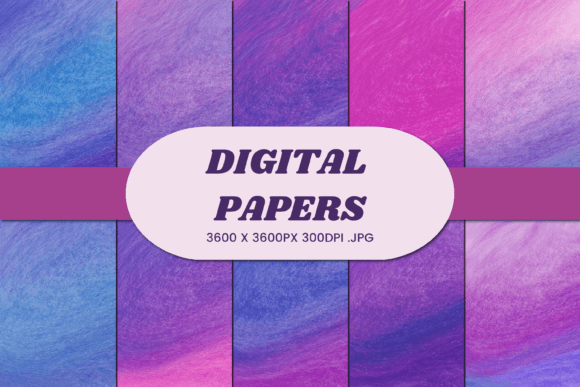
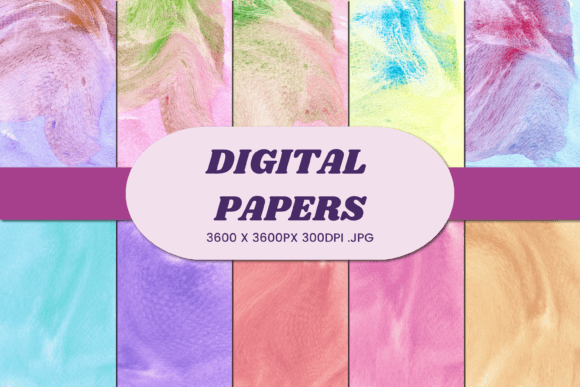
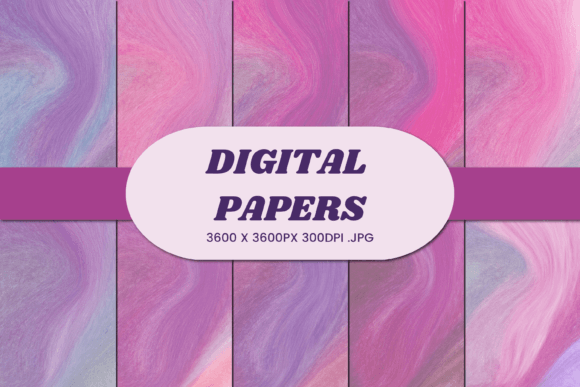
At its core, this asset is a collection of ten high-resolution JPG files featuring abstract watercolor textures. The dimensions are set at 3600×3600 pixels, which translates to a 12x12 inch square at 300 DPI (dots per inch). This resolution is the industry standard for high-quality printing, ensuring that when you scale these images for physical products, they remain crisp and free of pixelation.
The "abstract" nature of the watercolor design means it lacks specific figurative elements like flowers, animals, or landscapes. Instead, it relies on color gradients, soft edges, and organic shapes. This makes it incredibly flexible. Unlike a busy floral pattern that might clash with text or logos, an abstract watercolor texture provides a sophisticated backdrop that enhances rather than overwhelms the primary subject of your design.
Common Mistakes in Usage and Application
Even with a high-quality file like Abstract Watercolor 35 Digital Paper, errors in execution can ruin the final result. Here are some frequent misunderstandings that creators should avoid.
Misunderstanding Color Profiles
One of the most critical technical aspects often overlooked is the difference between RGB and CMYK color modes. Digital screens display colors in RGB (Red, Green, Blue), while most printers use CMYK (Cyan, Magenta, Yellow, Key/Black). If you download Abstract Watercolor 35 Digital Paper and immediately send the RGB JPG file to a printer expecting vibrant, screen-accurate colors, you may be disappointed by duller, muted results upon receipt.
Correction: Always check the color profile of your source file. If you are designing for print, convert your canvas to CMYK before placing the watercolor texture. Be aware that some bright neon-like shades visible on screen cannot be reproduced in ink. Adjusting your design slightly to accommodate CMYK limitations will save you from costly reprints.
Ignoring Print Bleed Requirements
When using this paper for items like T-shirts, mugs, or business cards, simply centering the 12x12 image is rarely enough. Professional printing requires "bleed"—extra space around the edge of the design that gets cut off during production. If your Abstract Watercolor 35 Digital Paper does not extend into the bleed area, you risk leaving thin white lines along the edges of your product after cutting.
Correction: When setting up your design file, ensure your canvas includes a 0.125-inch to 0.25-inch bleed margin on all sides. Since the source file is 3600x3600 pixels, you have ample resolution to zoom out and let the texture flow beyond the final trim line. This ensures a seamless look on wrapped items like phone cases or tumblers.
Overlooking Sublimation Limitations
This digital paper is marketed for sublimation, a process where dye is transferred onto substrates using heat. While abstract watercolors work beautifully on light-colored fabrics and ceramics, they can behave unpredictably on dark surfaces. Sublimation ink is transparent; it cannot cover dark backgrounds. If you attempt to sublimate a light pastel watercolor design directly onto a black t-shirt, the design will be invisible or appear washed out.
Correction: Use Abstract Watercolor 35 Digital Paper primarily on white or light-colored polyester blends for sublimation. If you must use dark substrates, consider adding a solid white underbase layer in your design software before applying the watercolor texture, though this adds complexity to the printing process.
Strategic Applications for Business and Creativity
Once you understand the technical constraints, the versatility of Abstract Watercolor 35 Digital Paper becomes apparent. Its neutral yet artistic vibe allows it to serve multiple roles across different business verticals.
- Product Packaging: For small businesses selling candles, soaps, or cosmetics, this texture provides an elegant, handmade feel. It suggests quality and care without being overly thematic.
- Digital Products: Bloggers and educators can use these images as headers for e-books, printable planners, or social media templates. The abstract nature ensures that text overlaid on top remains readable if proper contrast is maintained.
- Apparel and Accessories: As mentioned, T-shirts and tote bags benefit from the soft, artistic look. However, remember that the texture works best when paired with clean, sans-serif typography to maintain modern readability.
- Home Decor: Creating custom pillows, blankets, or wall art allows you to leverage the 300 DPI resolution. These large-format prints require high detail to avoid looking blurry from a distance, and the 3600-pixel width provides sufficient data for medium-sized decor items.
What to Check Before You Buy or Download
Before integrating Abstract Watercolor 35 Digital Paper into your workflow, perform a quick audit of your needs against the file’s capabilities.
- Resolution Needs: Are you printing larger than 12x12 inches? At 300 DPI, a single 12x12 image starts to lose sharpness if scaled up significantly. For large banners or outdoor signage, you may need vector versions or higher-res scans. For most craft and retail applications, however, this resolution is perfect.
- Licensing Rights: Ensure you understand the usage rights. Can you sell physical products made with this design? Can you resell the digital file itself? Most digital papers allow for commercial use on physical goods but prohibit the direct resale of the unaltered JPG file. Always read the license agreement to protect your business.
- File Format Compatibility: The package includes JPG files. While convenient, JPG is a lossy format. If you plan to do extensive editing, masking, or layering in Photoshop or Illustrator, be mindful that repeated saving can degrade quality. Work on copies and keep the original high-quality master file safe.
Maximizing Value Through Smart Design Choices
To get the most out of Abstract Watercolor 35 Digital Paper, think of it as a foundation, not the entire structure. Successful designs combine this texture with strong typography, clear branding, and intentional negative space. For instance, when creating business cards, place the logo centrally over a lighter part of the watercolor wash, and reserve the darker areas for contact information or decorative borders.
Similarly, for wedding invitations or event programs, the soft edges of the watercolor create a romantic atmosphere. Pair this with gold foil accents or elegant script fonts to elevate the perceived value of the invitation. The key is balance: let the texture provide mood and depth, but keep the informational elements clean and legible.
By avoiding common technical errors like ignoring color profiles or bleed requirements, and by strategically applying the texture to appropriate mediums, you can transform a simple digital download into a powerful component of your creative toolkit. Abstract Watercolor 35 Digital Paper is more than just a pretty picture; it is a professional-grade asset that, when used correctly, enhances the quality and appeal of your projects across print, digital, and merchandise channels.