Evaluating Abstract Watercolor 71 Digital Paper for Creative and Commercial Projects
In the modern digital design landscape, the distinction between a simple graphic asset and a versatile commercial tool is often defined by resolution, format versatility, and aesthetic depth. Abstract Watercolor 71 Digital Paper represents a specific category of high-fidelity digital assets designed to bridge the gap between traditional artistic textures and scalable digital production. For entrepreneurs, crafters, and designers aged 20–50 who are evaluating resources for print-on-demand businesses, personal branding, or mixed-media projects, understanding the technical specifications and practical applications of this asset is crucial before making a purchase.
This evaluation explores what makes Abstract Watercolor 71 distinct from standard clipart or low-resolution backgrounds, analyzes its suitability across various commercial use cases, and provides a comparative framework to help you decide if it aligns with your current project requirements.
Technical Specifications and Quality Assessment
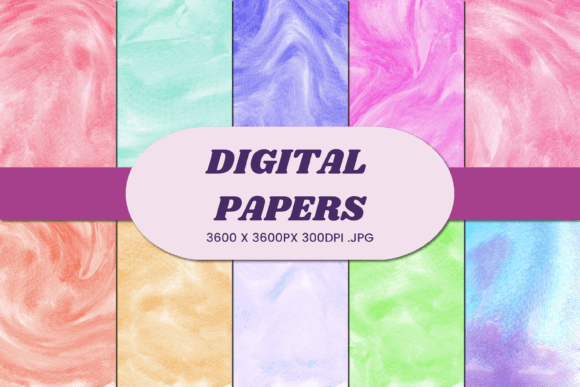
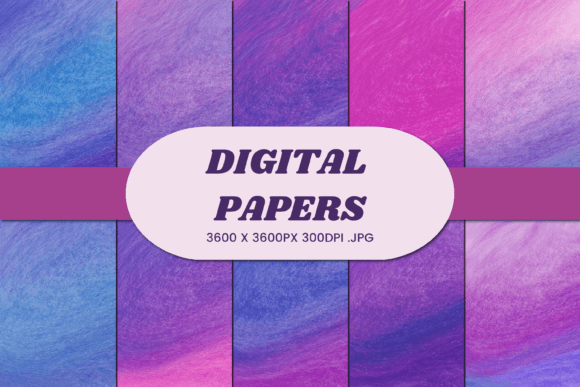
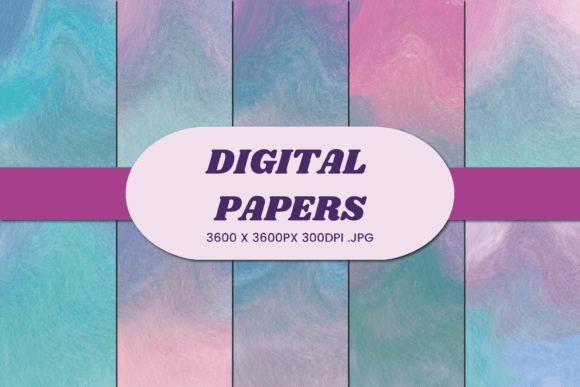
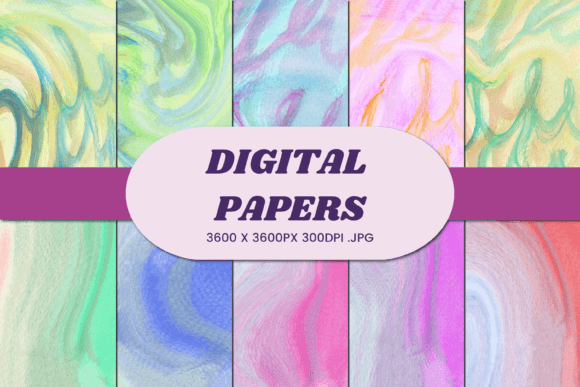
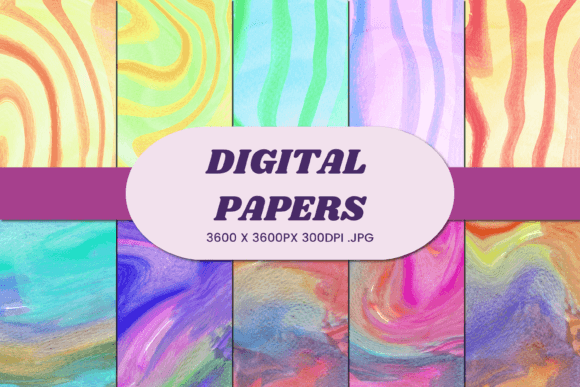
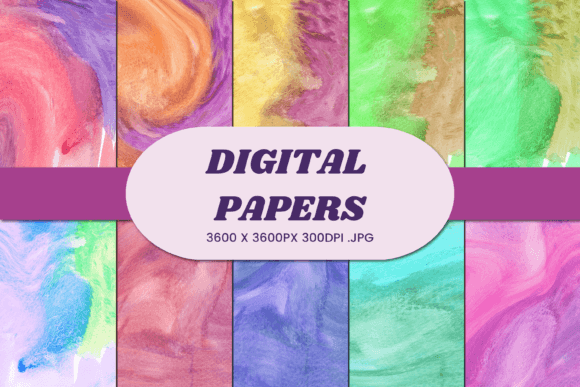
The foundation of any successful digital paper lies in its technical integrity. When comparing Abstract Watercolor 71 Digital Paper against other options on the market, the first metric to examine is resolution and file structure. This specific collection includes 10 JPG files, each rendered at a substantial size of 3600×3600 pixels. In the context of physical printing, these dimensions equate to 12x12 inches at 300 DPI (dots per inch).
Why does this matter? The 300 DPI standard is the industry benchmark for high-quality commercial printing. Many free or low-cost digital papers found online are optimized for screen viewing (72 DPI), which results in pixelation when scaled up for products like mugs, pillows, or large-format banners. By providing 300 DPI files, Abstract Watercolor 71 ensures that the subtle gradients, pigment granulations, and edge softness characteristic of watercolor art remain crisp and professional when printed on tangible goods.
The inclusion of ten distinct variations within a single pack offers significant value for users who need variety without fragmenting their design workflow. Instead of sourcing five different watercolor textures from separate vendors—each with inconsistent color palettes or lighting conditions—a user can access a cohesive suite of designs. This consistency is vital for creating branded product lines, such as a matching set of wedding invitations and business cards, where visual harmony is paramount.
Comparative Analysis: Digital Paper vs. Traditional Clipart
To understand the fit of Abstract Watercolor 71, it is helpful to compare it with alternative asset types, specifically traditional vector clipart or solid-color backgrounds.
- Vector Clipart: Vectors are infinitely scalable and ideal for logos and sharp illustrations. However, they often lack the organic, messy, and textured feel of hand-painted art. If your brand identity relies on precision and geometric clean lines, vectors may be more appropriate. Conversely, if you aim to evoke emotion, warmth, or an artisanal feel, the raster-based texture of Abstract Watercolor 71 is superior.
- Solid Color Backgrounds: Solid colors provide maximum flexibility for text overlay but can appear flat and sterile. They require additional elements (shadows, gradients, or overlays) to create depth. Abstract Watercolor 71 provides immediate depth and visual interest, reducing the need for complex layering techniques in software like Photoshop or Canva.
- Low-Resolution Stock Photos: While stock photography offers realism, it often lacks the abstract quality needed for background textures. A photo of a real wall might have distracting details (nails, cracks, dust). Abstract watercolor patterns provide the *impression* of texture without the visual noise, making them safer for commercial use where clarity is key.
The tradeoff here is editability. Because Abstract Watercolor 71 consists of JPG files, it is a raster format. This means you cannot easily change the shape of a brushstroke or isolate a specific color element without advanced editing skills. If your project requires frequent manipulation of individual elements, a PSD (Photoshop Document) or AI (Illustrator) file would be a better choice. However, for users seeking ready-to-use textures that simply need to be placed behind text or integrated into sublimation designs, the JPG format is efficient and widely compatible.
Practical Applications and Use Cases
The versatility of Abstract Watercolor 71 Digital Paper extends across multiple industries. Its 12x12 inch, 300 DPI specification makes it particularly well-suited for Print-on-Demand (POD) services and direct-to-garment (DTG) printing. Below is an analysis of how this asset performs in specific scenarios.
Apparel and Accessories
When applied to T-shirts, blankets, and pillows, the watercolor aesthetic adds a layer of sophistication that appeals to consumers looking for unique, non-mass-produced items. The high resolution ensures that the ink transfer process captures the delicate transitions between hues, preventing the "blocky" appearance common in lower-quality prints. For phone cases, the abstract nature allows the pattern to wrap seamlessly around edges, creating a custom look without needing precise alignment guides.
Paper Products and Stationery
For business cards, invitations, and wedding cards, texture plays a psychological role. A plain white card feels corporate; a card with a subtle watercolor wash feels personal and celebratory. The 300 DPI resolution is critical here because paper stock often has a grain that interacts with the digital print. High-resolution assets ensure that the digital watercolor blends naturally with the physical texture of the paper, enhancing the tactile experience of the final product.
Digital Content and Social Media
Beyond physical goods, Abstract Watercolor 71 serves as a robust resource for social media graphics, blog headers, and email newsletters. The 3600-pixel width allows for full-width desktop banners while remaining sufficiently detailed for mobile displays. Using these backgrounds can elevate the perceived value of digital content, making brands appear more established and thoughtful.
Sublimation and 3D Wraps
One of the most technically demanding applications is 3D sublimation tumbler wraps. Sublimation printing involves transferring dye onto materials using heat and pressure. Any pixelation or blurriness in the source file will be magnified during the wrapping process, especially around the curved surfaces of tumblers. The 3600×3600 px dimension provides ample pixel density to accommodate the stretching and curving inherent in 3D wrap designs, ensuring the image remains sharp even when distorted slightly by the curvature of the mug or bottle.
Evaluation of Limitations and Decision Factors
No single asset fits every scenario. It is important to recognize the limitations of Abstract Watercolor 71 Digital Paper to avoid mismatched expectations.
Lack of Transparency: As JPG files, these images do not support transparency. If you need to place the watercolor texture over another image or text without a solid rectangular block behind it, you will need to manually remove the background using editing software. This adds a step to the workflow compared to PNG files, which offer native transparency.
Color Profile Considerations: Most digital downloads are provided in RGB color mode, which is standard for screens. However, commercial printers often require CMYK color profiles to ensure accurate color reproduction on physical materials. While many modern POD platforms handle this conversion automatically, serious print-on-demand businesses should verify whether the files are supplied in CMYK or if they need to perform the conversion themselves to avoid color shifts (particularly in deep blues or vibrant reds).
Style Specificity: The "Abstract Watercolor" style is niche. It works exceptionally well for brands in the wellness, lifestyle, bridal, and artisanal food sectors. However, it may clash with brands focused on technology, finance, or industrial manufacturing, where sleek, minimalist, or geometric aesthetics are preferred. Users must evaluate whether the emotional tone of watercolor aligns with their brand voice.
Strategic Recommendations for Buyers
When deciding whether to integrate Abstract Watercolor 71 Digital Paper into your creative toolkit, consider the following decision matrix:
- Assess Your Output Volume: If you produce high volumes of physical goods, the 300 DPI quality justifies the investment. Low-resolution alternatives may save money upfront but can lead to customer returns due to poor print quality.
- Check Software Compatibility: Ensure your design software (Adobe Illustrator, Photoshop, Procreate, etc.) handles large JPG files efficiently. 3600x3600px files are data-heavy and may slow down older computers.
- Plan for Versatility: Since the pack includes ten variations, plan your product line to utilize all of them. Using a diverse palette allows for seasonal collections (e.g., warm tones for autumn, cool tones for winter) without purchasing new assets.
- Verify Licensing Terms: Always review the end-user license agreement (EULA). While many digital papers allow for commercial use on physical products, some restrict resale of the digital file itself or limit the number of end-products. Ensure the license covers your specific business model, whether it is Etsy sales, Amazon Merch, or local boutique retail.
In conclusion, Abstract Watercolor 71 Digital Paper is a specialized tool designed for users who prioritize texture, resolution, and aesthetic cohesion. It outperforms basic clipart in terms of emotional resonance and technical quality for print applications, though it requires more post-processing for transparent layouts. For creators in the 20–50 age demographic looking to elevate their product offerings with professional-grade textures, this asset offers a strong balance of usability and visual impact, provided its raster limitations and color profile requirements are accounted for in the design workflow.