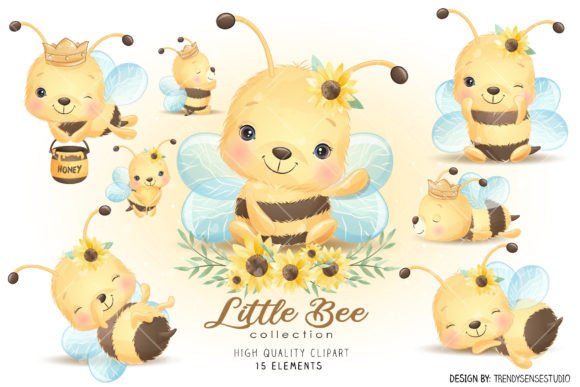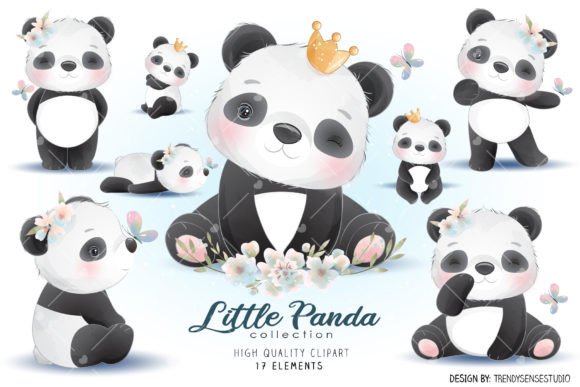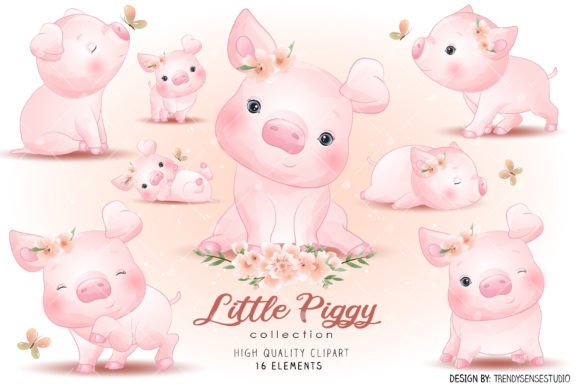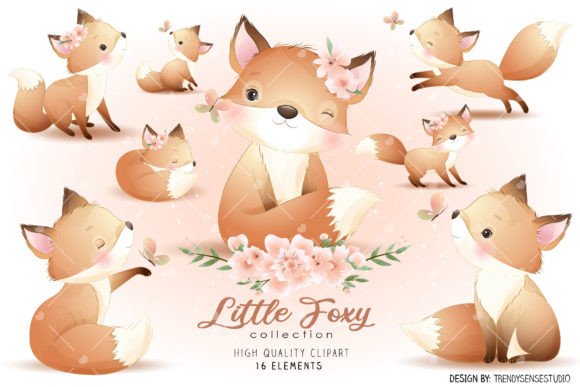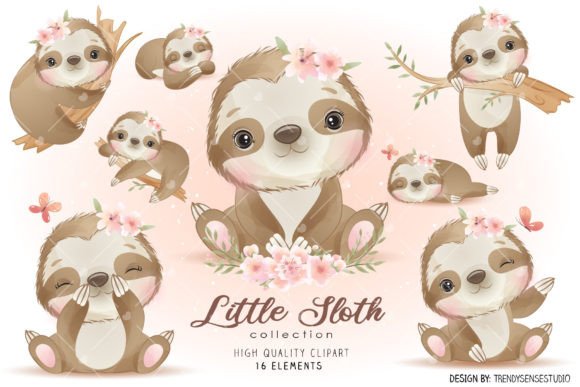
Little Sloth Collection Clipart
Finding the right visual assets for a creative project can often feel like searching for a needle in a haystack, especially when you are looking for something with specific charm and versatility. Little Sloth Collection Clipart from TrendySenseStudio offers a distinct solution for creators who need high-quality, watercolor-style graphics that stand out without overwhelming their design. Whether you are a small business owner launching a new brand identity or a hobbyist crafting personalized gifts, understanding how to leverage these assets correctly is key to achieving professional results.
The appeal of this collection lies not just in its aesthetic but in its technical robustness. The set features high-quality images painted with watercolor techniques, providing a soft, organic texture that digital vector art sometimes lacks. This particular style resonates well with audiences who appreciate hand-crafted details, making it an excellent choice for brands aiming for a warm, approachable, and artisanal vibe. However, simply downloading the files is only the first step; knowing how to utilize them effectively prevents common pitfalls in production and design.
Understanding File Formats and Usability
One of the most significant advantages of purchasing this specific clipart set is the variety of file formats included. When evaluating graphic resources, many buyers focus solely on the visual appearance, overlooking the technical specifications that determine how usable the image will be across different platforms. A common mistake beginners make is assuming that a PNG file is sufficient for every application. While PNGs are excellent for web use due to their transparency support, they are raster images, meaning they can lose quality if scaled up significantly.
This set provides both 16 PNGs and 16 JPEGs, all at a generous 13 x 13 inches at 300 dpi. This resolution is critical for print applications. Many users mistakenly try to stretch low-resolution web images onto large banners or packaging, resulting in pixelation and a blurry, unprofessional finish. By starting with 300 dpi files, you ensure that your prints remain crisp whether you are designing business cards or large-format posters. Furthermore, the inclusion of EPS and AI files—both fully editable and customizable—opens up advanced possibilities for designers.
If you intend to modify the sloth illustrations, change colors to match your brand palette, or integrate them into complex layouts, relying solely on the raster versions (PNG/JPEG) will limit your creativity. The EPS and AI files allow you to manipulate individual elements using vector editing software like Adobe Illustrator or Affinity Designer. This flexibility is invaluable for creating unique logos or custom apparel designs where exact color matching and scalability are non-negotiable.
Common Pitfalls in Application
Even with high-quality assets, errors in application can undermine the final product. One frequent oversight involves ignoring licensing terms or intended use cases. While this set is marketed for a wide range of uses—from invitations to software interfaces—it is essential to verify the specific commercial license attached to your purchase. Some clipart sets restrict resale as standalone digital files, allowing usage only in end products like printed shirts or greeting cards. Misunderstanding this distinction can lead to legal complications or unintended devaluation of your work.
Another practical issue arises when designers attempt to use watercolor textures on backgrounds with conflicting patterns. Watercolor clipart relies on negative space and soft edges to convey its charm. Placing these images over busy, high-contrast backgrounds can cause the delicate details to get lost, reducing readability and visual impact. To avoid this, always preview your design in grayscale first. If the sloth illustration does not stand out clearly without color, the background is likely too distracting. Opt for solid pastel tones, subtle gradients, or ample white space to let the artwork breathe.
Additionally, consider the medium when selecting between the provided formats. For sublimation designs, which involve printing dye directly onto fabric, the 300 dpi resolution is perfect. However, if you are designing for web use, serving full-size 13x13 inch images can slow down page load times. In such cases, create scaled-down versions for HTML/CSS use while keeping the original high-res files for print materials. This dual approach maintains efficiency without sacrificing quality.
Maximizing Value Through Versatility
The true value of the Little Sloth Collection Clipart becomes apparent when you explore its diverse applications. Because the images are free of watermarks and come in multiple formats, you can seamlessly transition from digital marketing to physical merchandise. For instance, a blogger might use the PNG versions in online posts and social media headers to maintain a cohesive visual theme. Simultaneously, a small business owner could use the editable AI files to create branded packaging for handmade goods.
Consider the example of a freelancer designing a branding package for a client. By utilizing the editable vector files, they can extract the sloth motif and adapt it for various touchpoints: a logo on a letterhead, a pattern on textile packaging, and a sticker for customer thank-you notes. This consistency strengthens brand recognition. Without the vector files, the freelancer would be forced to recreate the imagery from scratch or settle for lower-quality raster copies, increasing time and cost.
For educators and content creators, these cliparts offer an engaging way to illustrate educational materials or children’s books. The watercolor style is gentle and inviting, suitable for young audiences. However, remember to check the aspect ratio and composition. If you are placing the sloth inside a text box, ensure there is enough padding so the image does not feel cramped. Proper spacing enhances readability and gives the design a polished, professional look.
Final Checks Before You Create
Before diving into your project, take a moment to organize your downloaded assets. Ensure that your editing software supports the EPS and AI formats you have received. If you are using open-source tools like Inkscape, verify compatibility, as some proprietary Adobe features may not translate perfectly. Also, back up your original files immediately after download. Accidental deletions or corrupted downloads happen more often than expected, and having a clean copy ensures you never lose access to your purchased art.
Finally, test your designs in real-world conditions. Print a sample of your invitation or t-shirt mockup to check color accuracy. Screens display colors differently than printers do, so what looks vibrant on your monitor might appear dull on paper. Adjusting hues slightly during the design phase can compensate for these differences, ensuring your final output matches your vision. By paying attention to these details, you transform a simple clipart purchase into a powerful tool for effective communication and beautiful design.